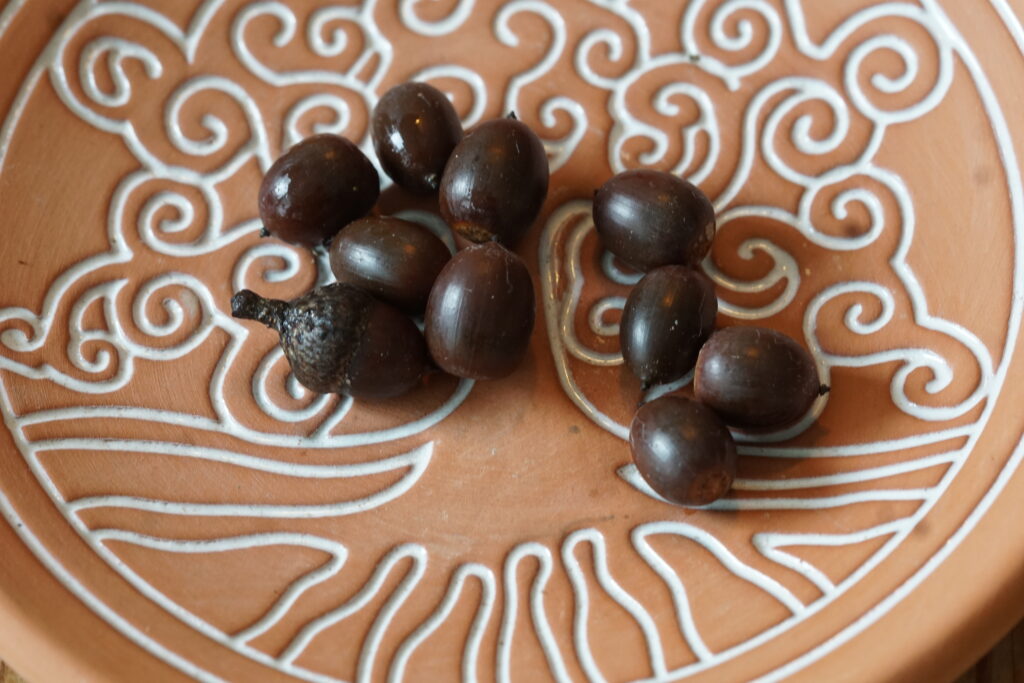
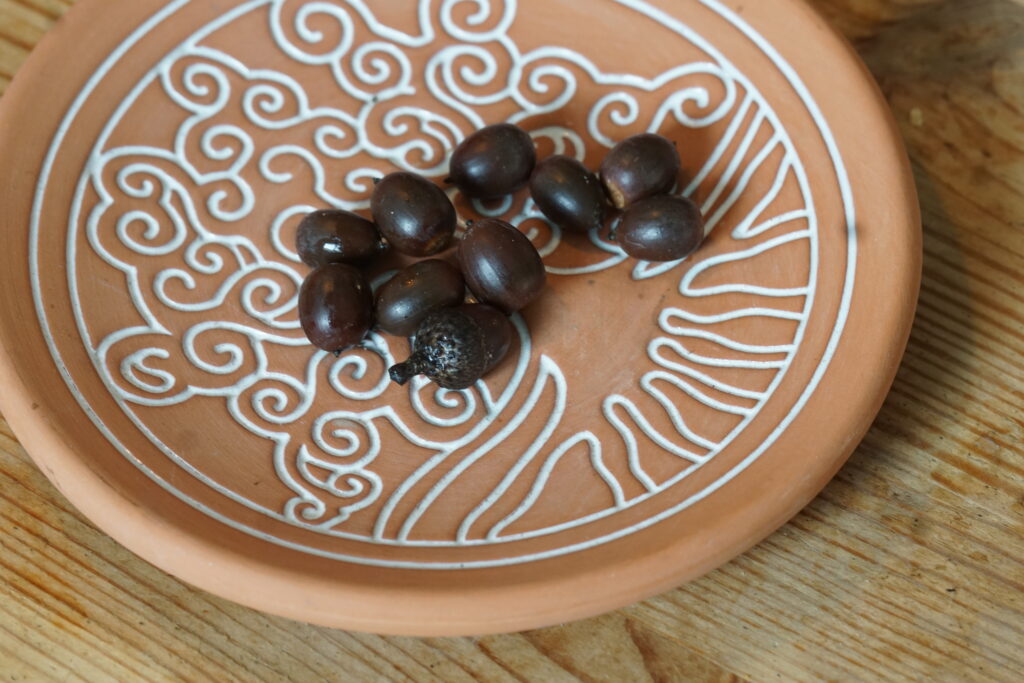
29.10.2023: Many new species of oak expected soon
Over the next 2 weeks acorns are expected from:
Quercus canbyi
Quercus laceyi
Quercus muehlenbergii
Quercus virginiana
Quercus sinuata var. breviloba
Quercus crassipes
Quercus durifolia

Buy acorns internationally. Buy oaks. Special oaks, acorns and other seeds for collectors and plant enthusiasts. Many species resistant to climate warming. Lots of climate trees.
Buy acorns internationally. Buy oaks. Special oaks, acorns and other seeds for collectors and plant enthusiasts. Many species resistant to climate warming. Lots of climate trees.
Over the next 2 weeks acorns are expected from:
Quercus canbyi
Quercus laceyi
Quercus muehlenbergii
Quercus virginiana
Quercus sinuata var. breviloba
Quercus crassipes
Quercus durifolia
Quercus faginea (Portuguese oak, Zen oak) can reach growth heights of up to 20 meters and trunk diameters of up to 80 cm. The maximum age is 600 years.
Pollination of this species of oak is carried out by the wind. Quercus faginae is often found in Portugal, Spain as well as northwestern Africa. It also grows very frequently in the Balearic Islands.
The wood is often used as firewood or tree wood. The acorns are popular in the Iberian Peninsula for fattening pigs.
It is interesting that the leaves change color after the growing season, but do not fall off the tree. This happens only when the leaves sprout in the following year.
Quercus faginea likes calcareous soils. They often grow together in communities with cork oak, Pyrenean oak and holm oak. It is resistant to the climatic stresses of cold, drought and thermal contrasts.
Some interesting pictures of this oak species can be found here: http://www.mittelmeerflora.de/Zweikeim/Fagaceae/querc_faginea.htm
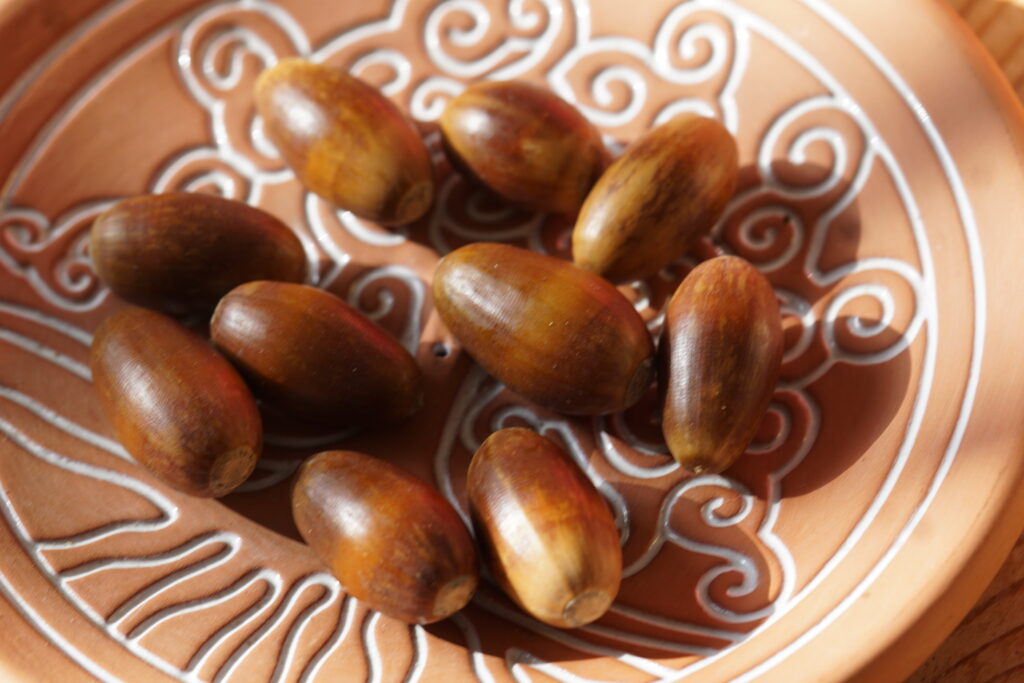
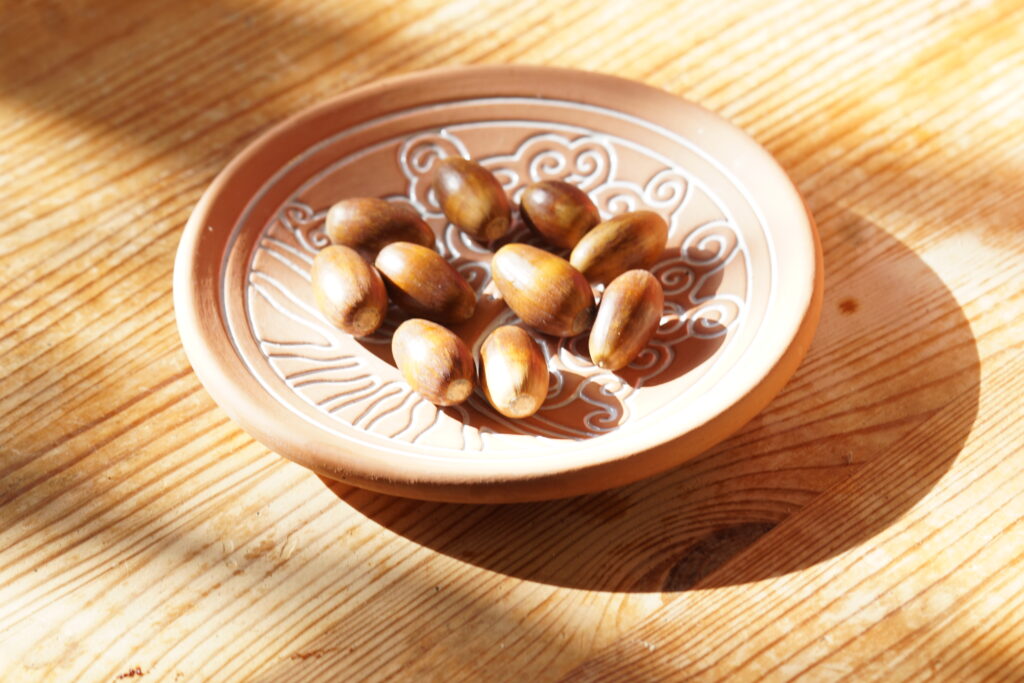
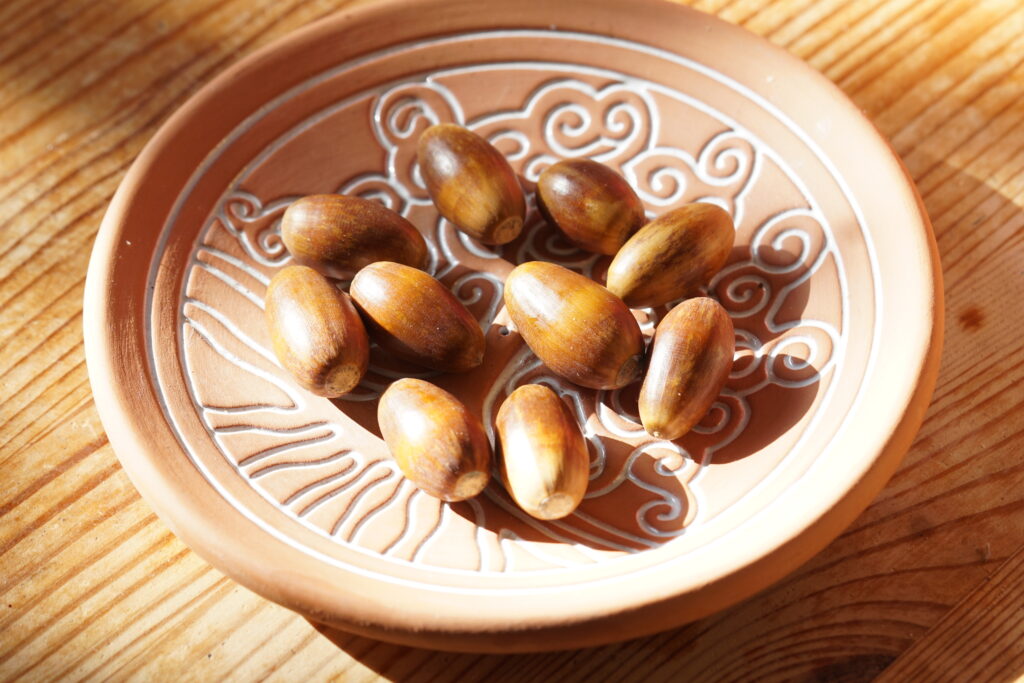
Quercus pyrenaica (Pyrenean Oak) is found especially in western southern Europe. It is common in Spain and Portugal. They can also be seen regularly in western France and Morocco.
Although it is called “Pyrenean Oak” it is rarely found in the Pyrenees.
It often grows in shrub form, but can also reach heights of up to 20 meters.
The very large leaves (up to 15 cm long and 9 cm wide) are striking. The leaves have yellow-gray felt-like hairs on both sides.
Dryness she tolerates very well. It also feels quite comfortable on acidic soils. Lime likes them very much. It also accepts sandy soils. It is resistant to frost and also tolerates road salt. Their wind resistance is also good. Since it does not tolerate paving, it is conditionally suitable as an urban tree. However, their resistance to pollutants is quite good. In Central Europe they are always found in parks or arboretums. It also tolerates wetness.
The southern European flair that it exudes is impressive. People who love vacations in Portugal or Spain, appreciate this tree very much. It likes locations flooded with light.
This very beautiful species can be purchased in acorn form here: https://quercus.guru/produkt/quercus-pyrenaica-pyrenaeen-eiche/
See also: https://de.wikipedia.org/wiki/Pyren%C3%A4en-Eiche
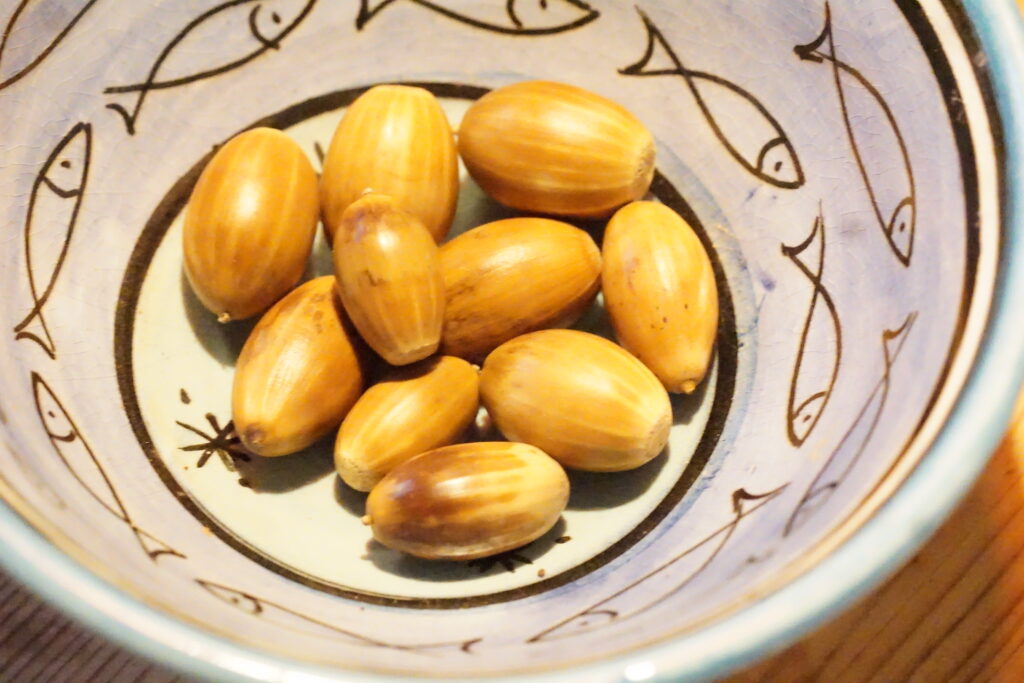
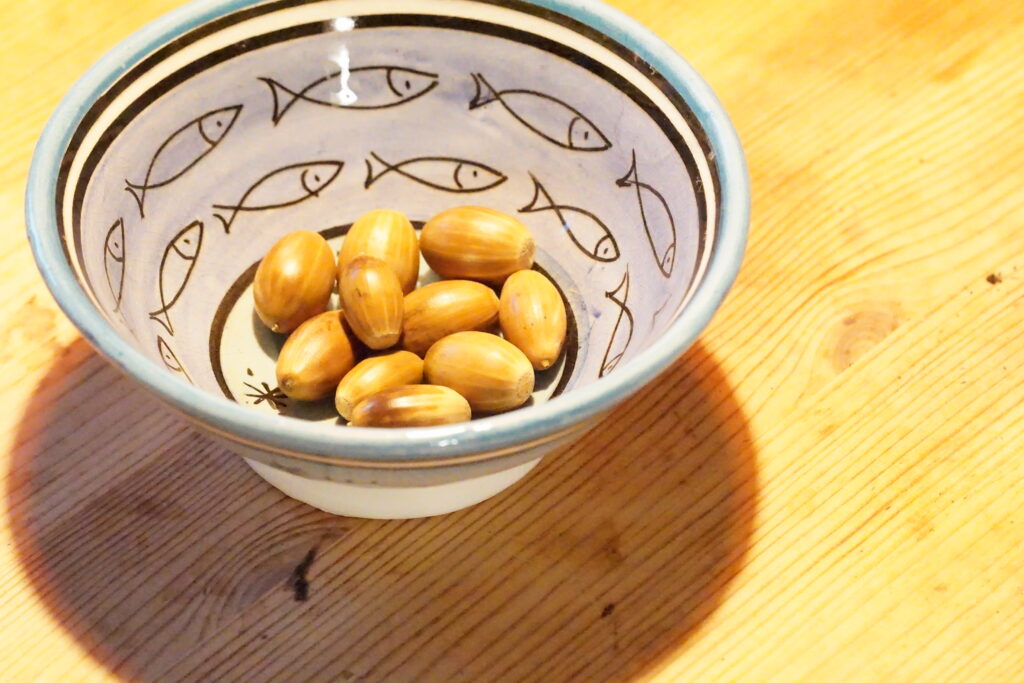
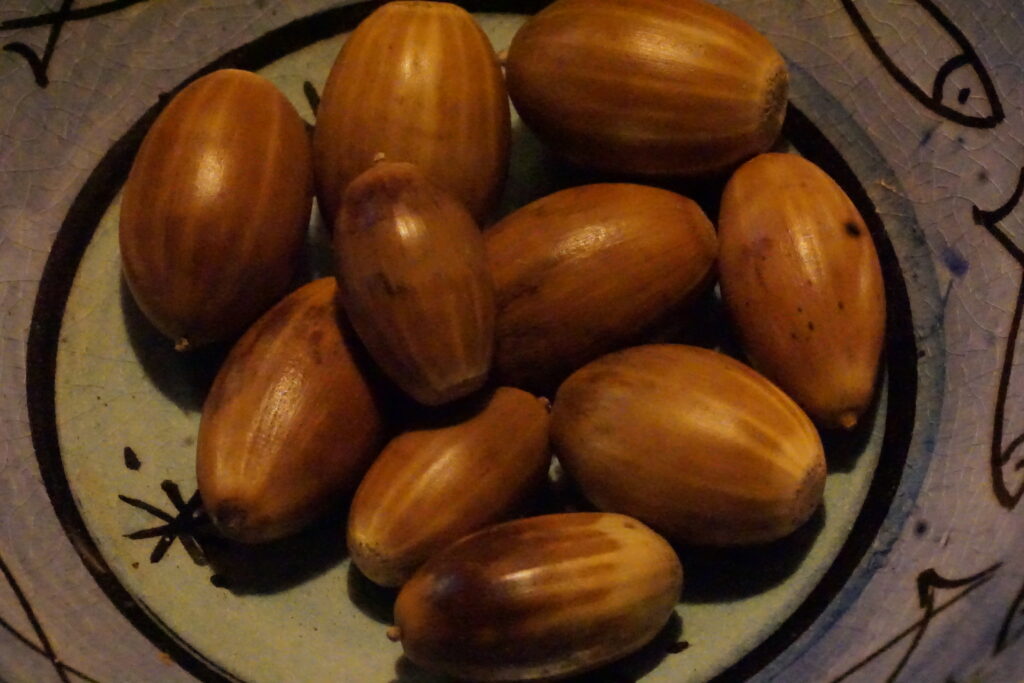
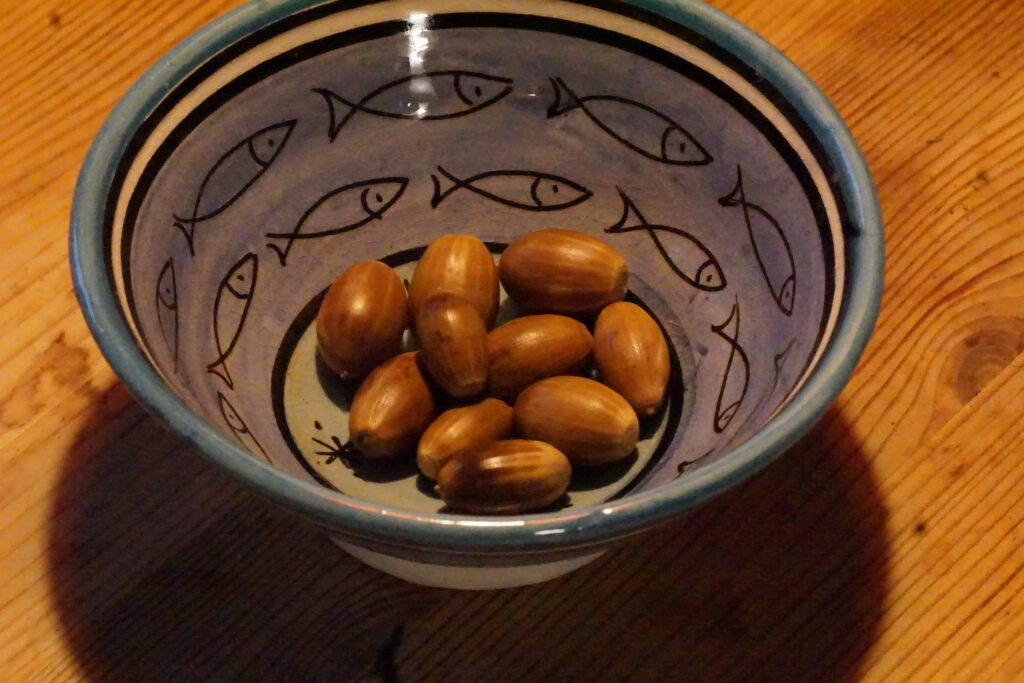
Quercus ilex (holm oak) is an evergreen tree. It reaches a height of growth up to 20 meters. Maximum it can live up to 500 years.
The leaves are partly leathery and spiny. A little they remind of the leaves of holly.
In the Mediterranean region, the holm oak is a classic. It occurs from Portugal to Turkey, from Tunisia to Morocco. Due to climate warming, it is given good chances also in Central Europe. In Germany, it now occurs sporadically in the Rhine rift valley and in the Weser-Ems region. Occurrences are also known in California and in South America and even in Great Britain.
Very interesting: the acorns can be eaten raw or cooked. Something that otherwise (roasted) is known only from the bourbon oak. The taste can be sweetish but also somewhat bitter. Often the acorns are made into a coffee substitute or oil. Especially the acorn coffee is highly recommended! In the case of other oak species, bitter substances must first be flushed out by elaborate processes before they can become a flour substitute in parts.
The stone acorns are also often used for fattening pigs. The wood represents a very good firewood.
See also: https://de.wikipedia.org/wiki/Steineiche
Important: Drought and high temperatures are not a problem for this species of oak (when grown tall). Young plants must necessarily be watered during drought. The plant tolerates short temperatures down to minus 15 degrees Celsius, but prolonged sub-zero temperatures severely damage the tree. The tree is wind tolerant. Quercus ilex likes loose, stony or gravelly soil with clay content. A high lime content is also interesting for this species.
Interestingly: Despite its occurrence in the Mediterranean region, the holm oak loves moisture and therefore likes to stand by ponds or watercourses. Since the holm oak is rather sensitive to exhaust fumes and smoke, it is unsuitable as an urban tree. Road salt, however, she tolerates quite well.
In Central Europe, the holm oak is classically grown as a potted plant, which can also move to warmer areas of the house.
You can buy this oak as an acorn here: https://quercus.guru/produkt/quercus-ilex-steineiche/
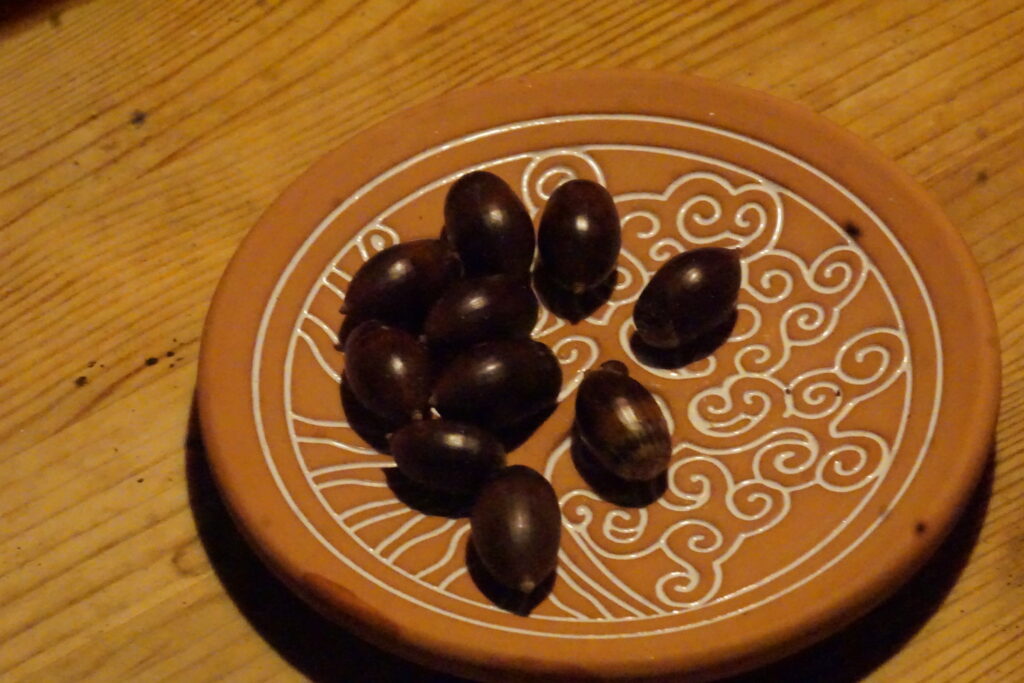
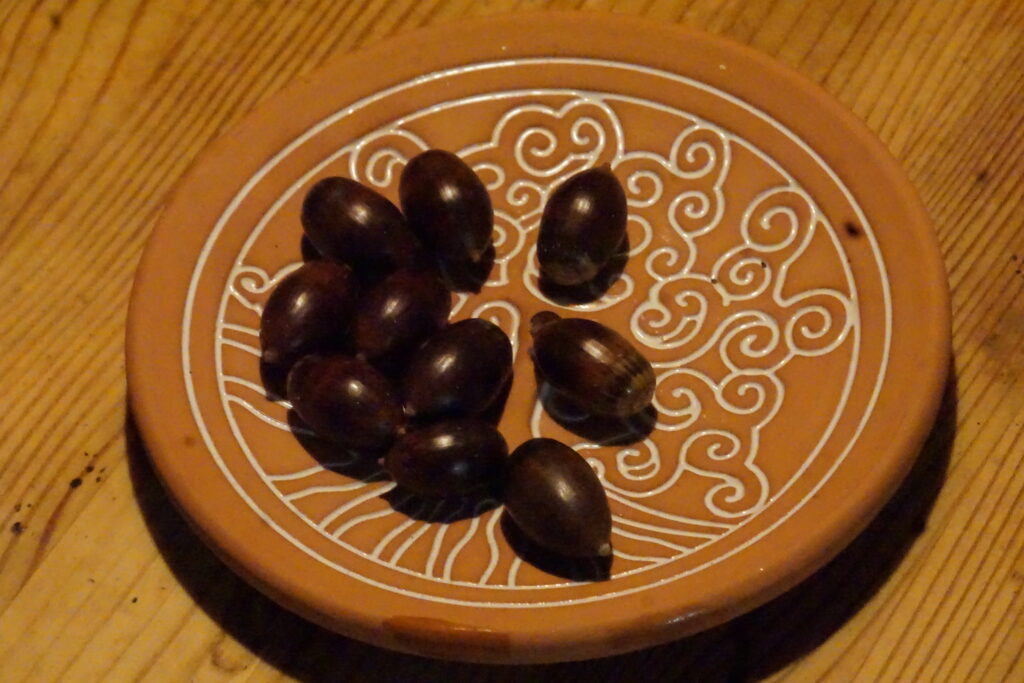
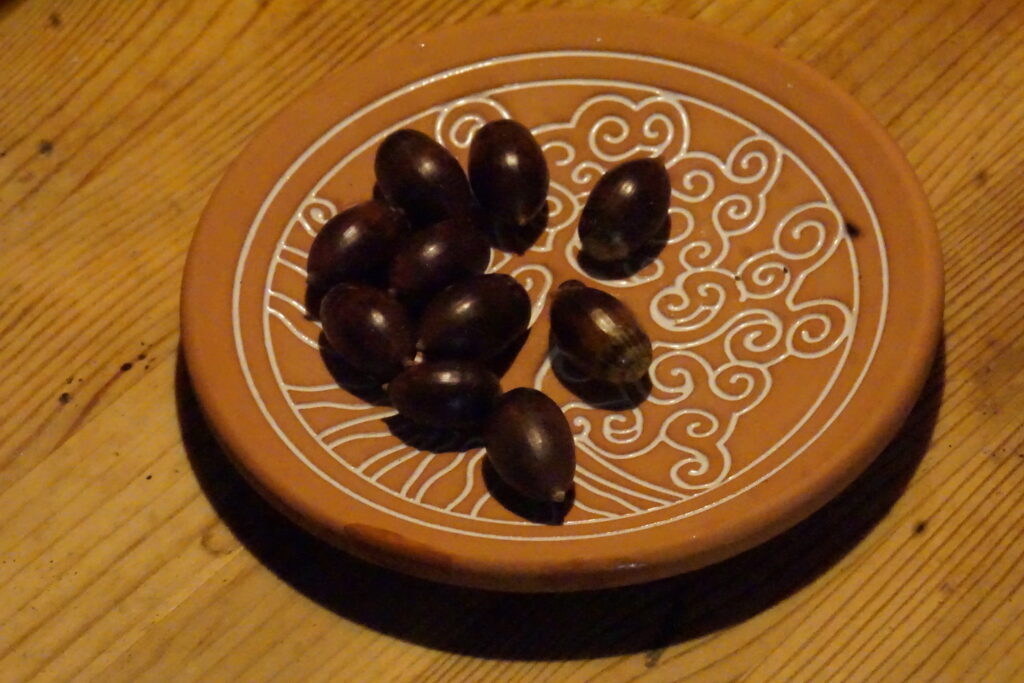
Quercus mexicana (Mexico Oak) is (unsurprisingly) native to Mexico. It is widely used there. This species of oak grows up to 20 meters high.
Their wood is used for ship masts or barrels.
Quercus mexicana likes dry soils and can tolerate temperatures as low as -15 degrees.
The acorns can be purchased here: https://quercus.guru/produkt/quercus-mexicana-mexiko-eiche/
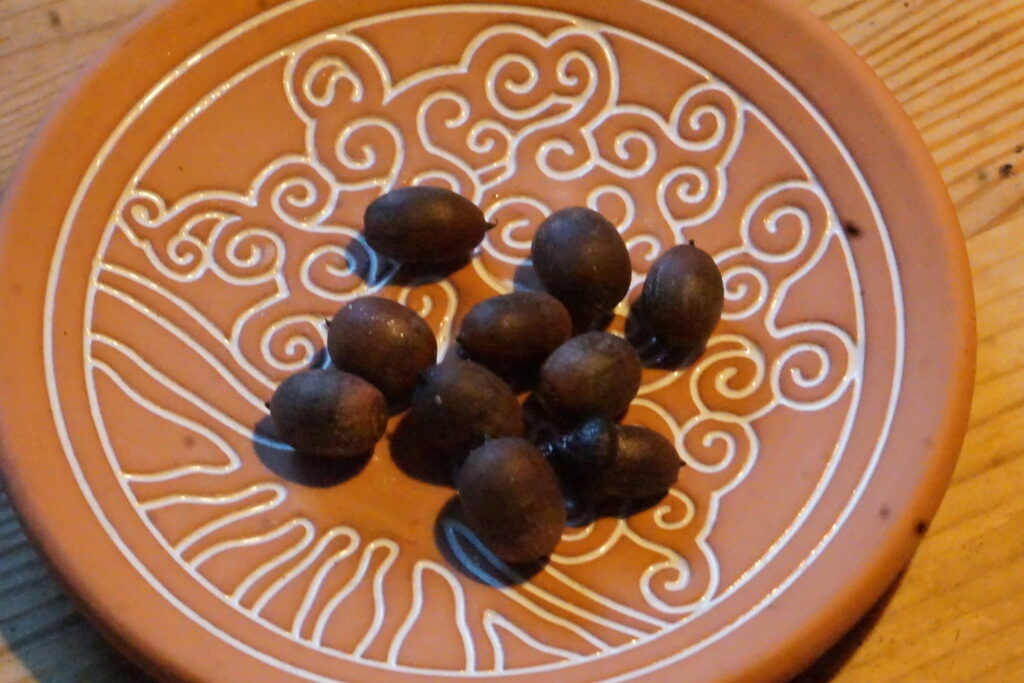
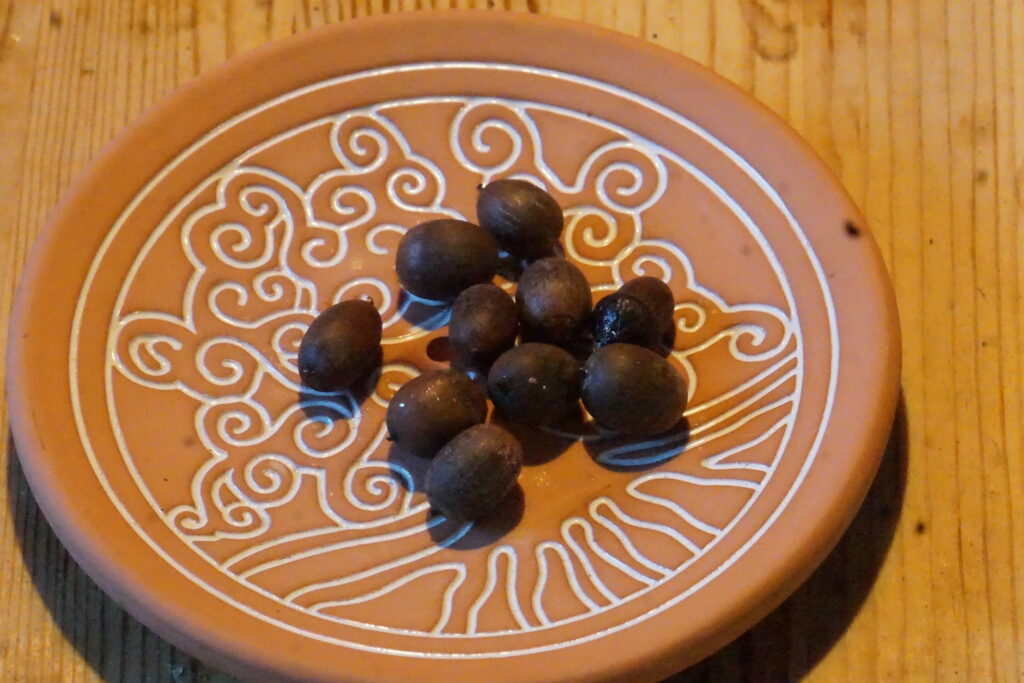
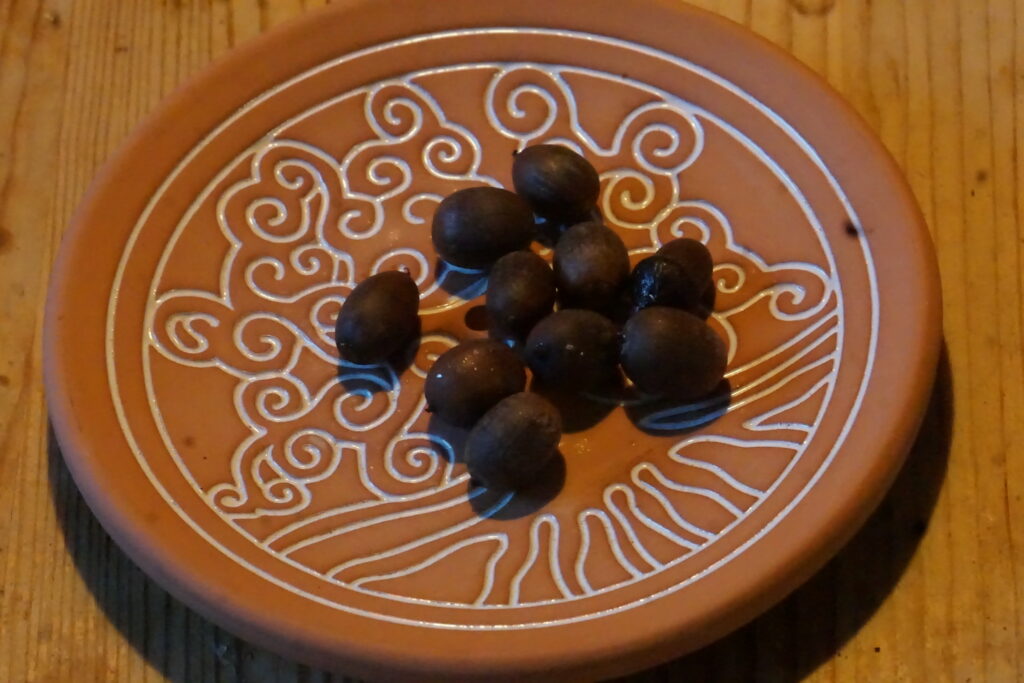
Quercus x andegavensis (Pyrenean Oak Karlsaue) is a cross between Quercus pyrenaica and Quercus robur. The variety “Karlsaue” comes from the Karlsaue Palace Park in Kassel.
It is considered to be moisture tolerant and (currently) suitable for urban climates. The tree can grow up to 30 meters high.
Some pictures: https://www.cardiffparks.org.uk/trees/roathpark-botanic/quercus-x-andegavensis.php
The acorns can be purchased here: https://quercus.guru/produkt/quercus-x-andegavensis/
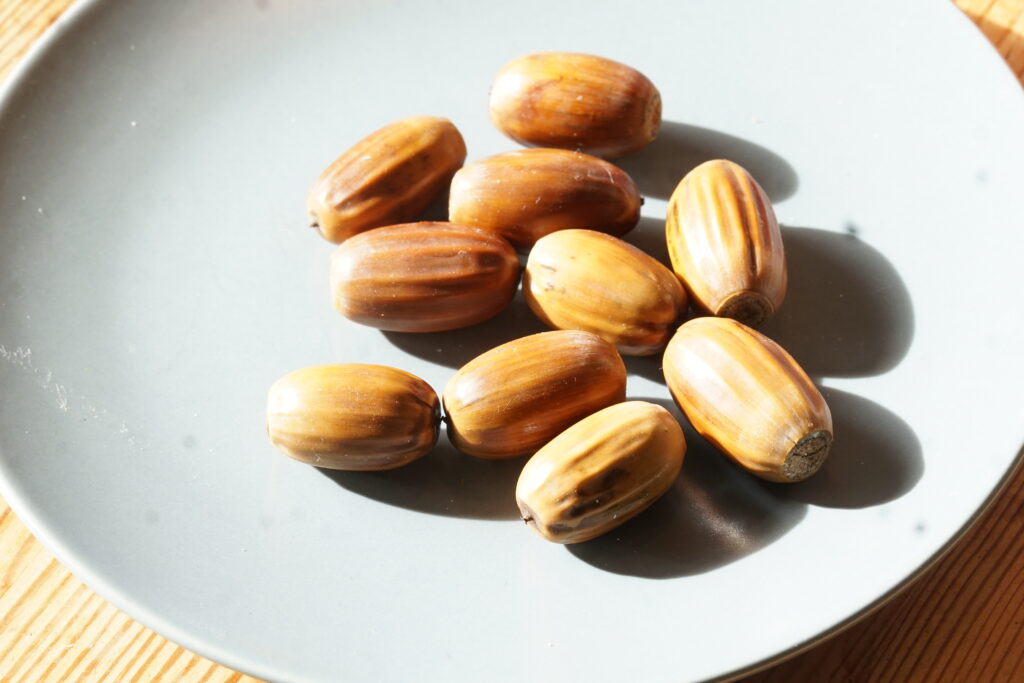
Quercus hypoxantha is extremely rare. It is originally found in only three Mexican regions.
See: https://en.wikipedia.org/wiki/Quercus_hypoxantha.
Acorns are available for purchase here: https://quercus.guru/produkt/quercus-hypoxantha/.
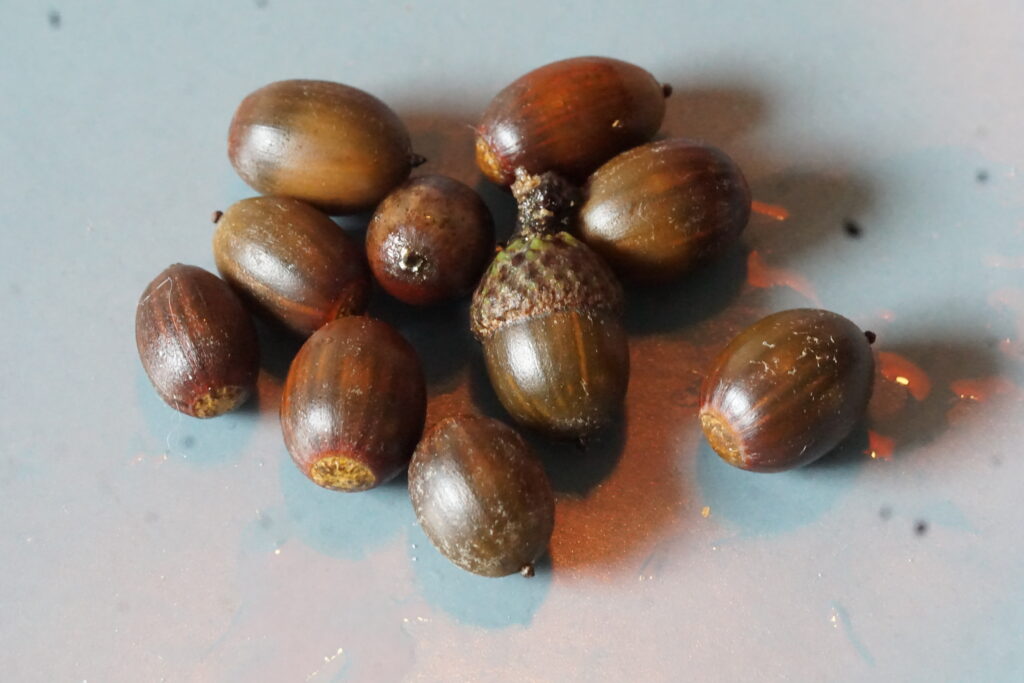
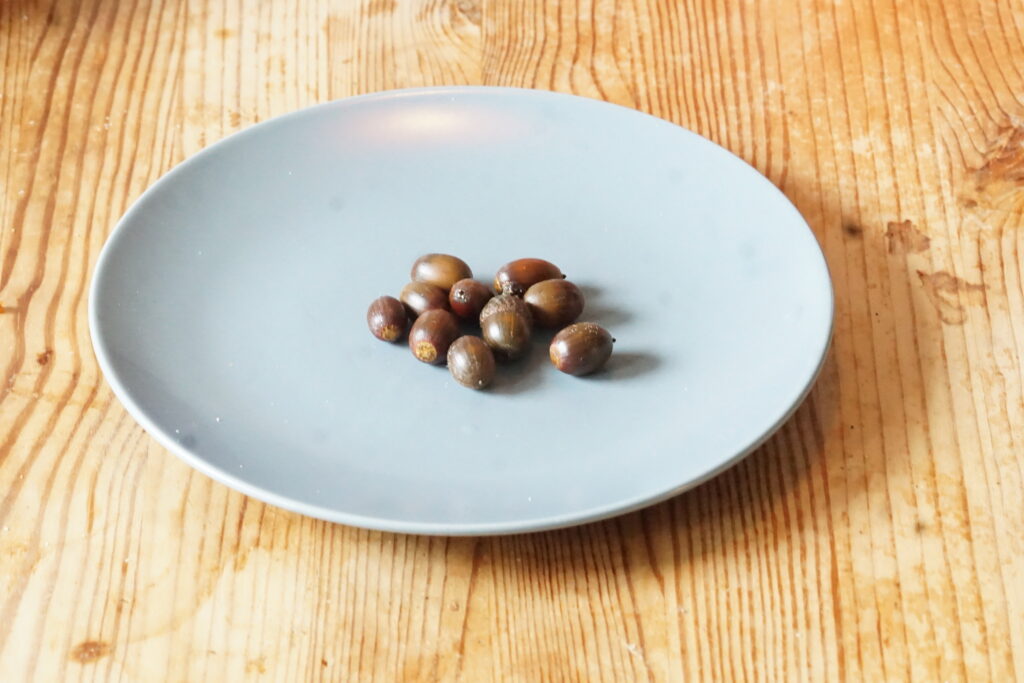
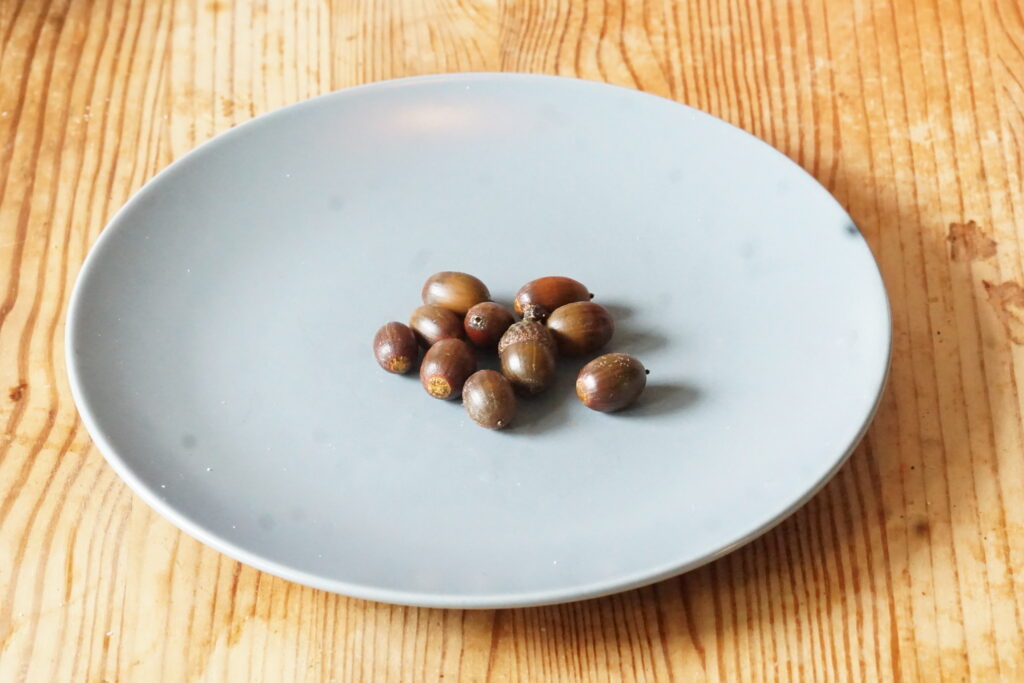
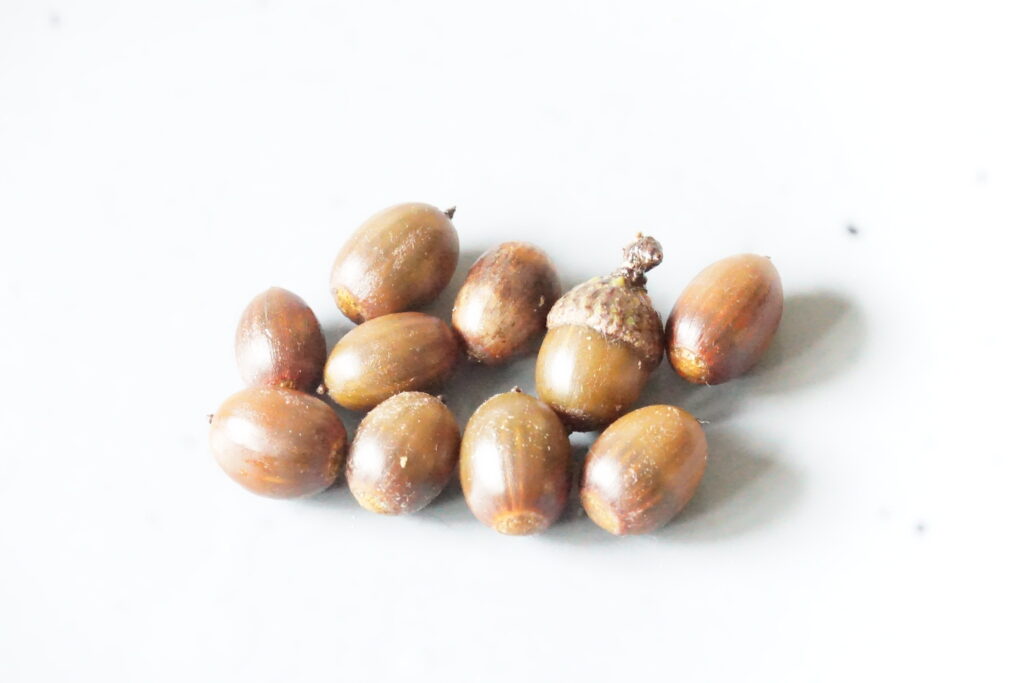
Quercus rubra Aurea: This tree grows up to 15 meters high. The crown is very spreading and can reach a width of up to 9 meters. The leaves are broad-oval and pointed.
Already in the summer the leaf color turns greenish-yellow. From October, Quercus rubra Aurea stands for the “Indian Summer”. The leaves bloom in the most magnificent shades of orange to scarlet, attracting all eyes.
Overall, this tree is quite unpretentious and is often used as an urban tree. It likes sunny places but also semi-shade. Quercus rubra Aurea is frost hardy and tolerates road salt. Concrete sealing or paving, however, she does not like. It is easily transplanted and disease resistant.
Here you can buy the acorns in the store: https://quercus.guru/produkt/quercus-rubra-aurea-gold-roteiche/
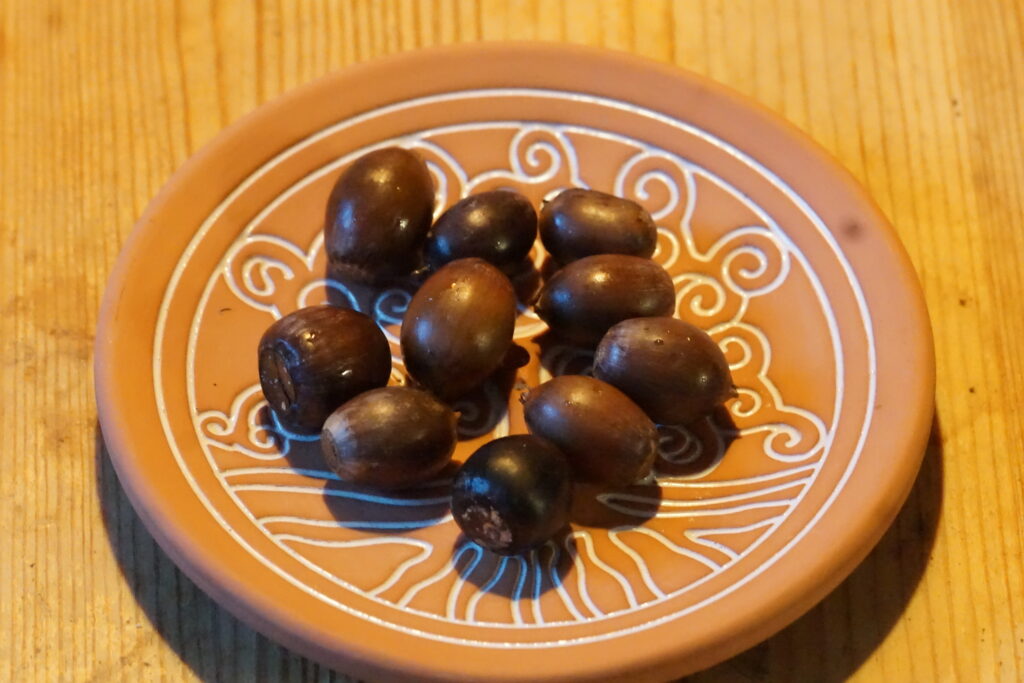
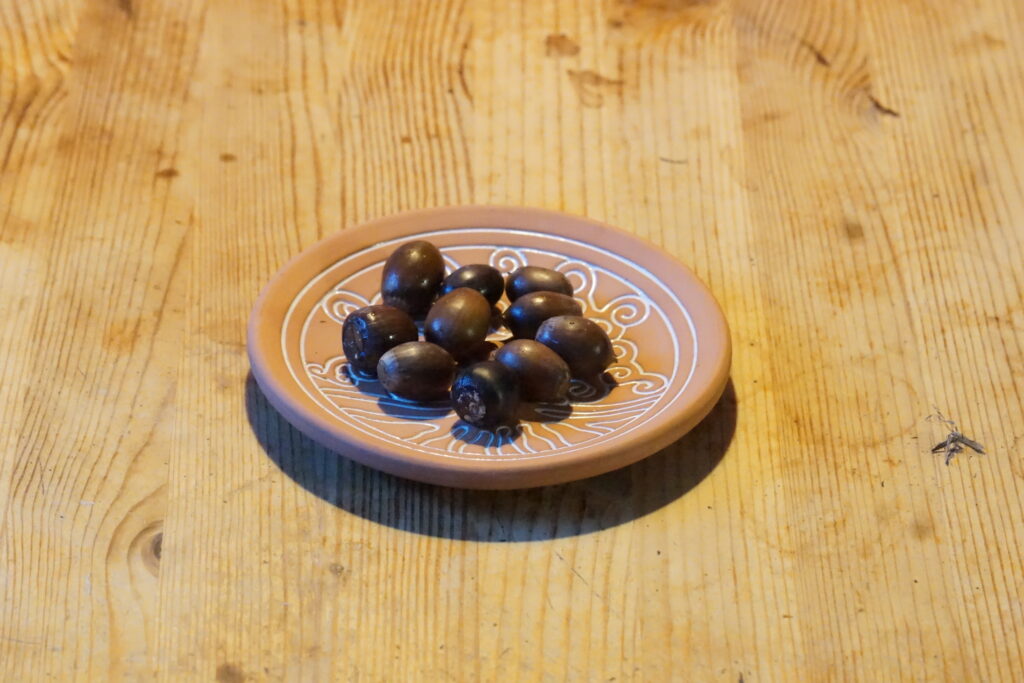
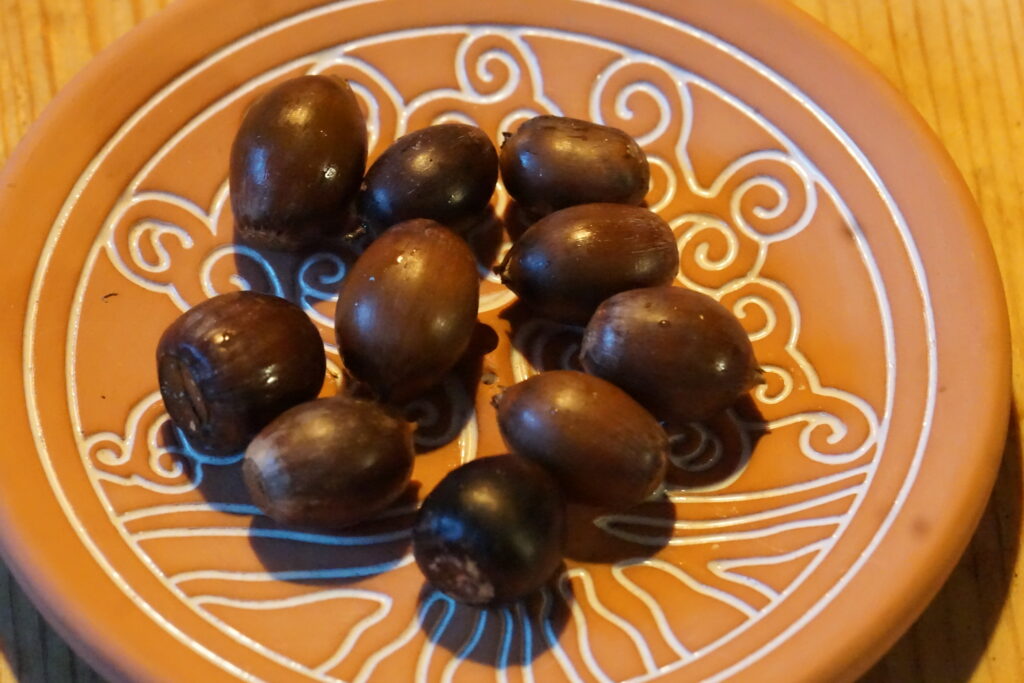
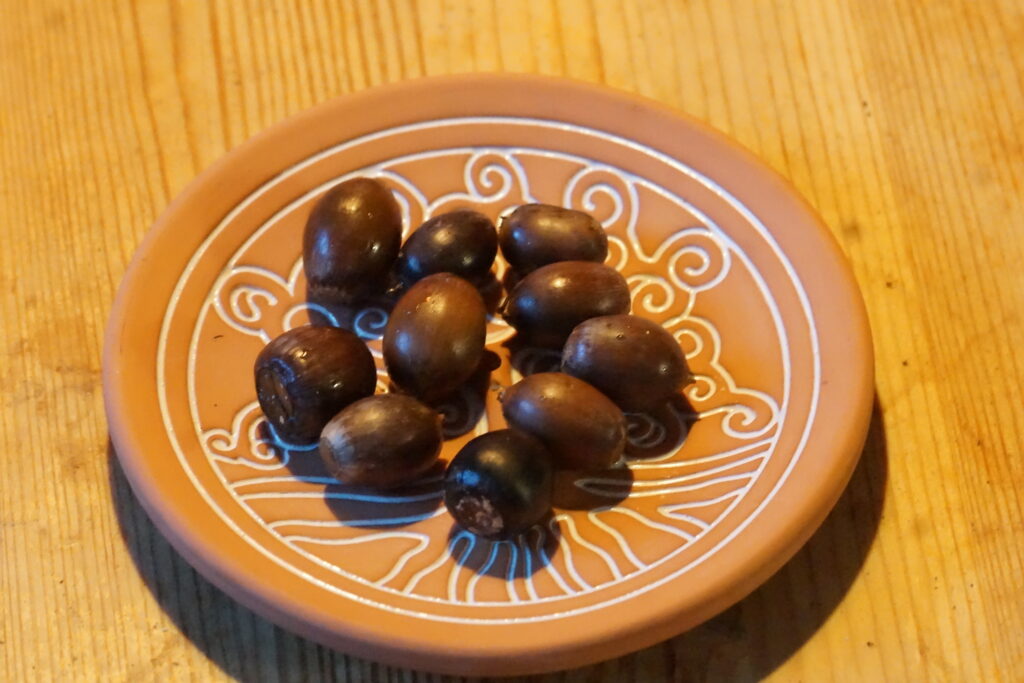
Quercus dentata can reach a height of up to 30 meters. The leaves can reach a length of up to 50 (!) cm. The underside of the leaves is slightly persistent. The distribution area is in Japan and Korea as well as in parts of China and Russia.
The oaks bear acorns at a young age. The leaves turn yellow in the fall.
Quercus dentata tolerates wet soils and is very resistant to cold. It also tolerates road salt well. It likes dry, acidic to slightly alkaline, sandy-humic soils in sunny locations.
See also: https://de.wikipedia.org/wiki/Japanische_Kaiser-Eiche
Quercus dentata is a classic specimen tree. From time to time it can be seen as a park tree in Central Peru.
The acorns reach sizes up to 2 cm.
Here you can find the page in our store: https://quercus.guru/produkt/quercus-dentata-japanische-kaisereiche/
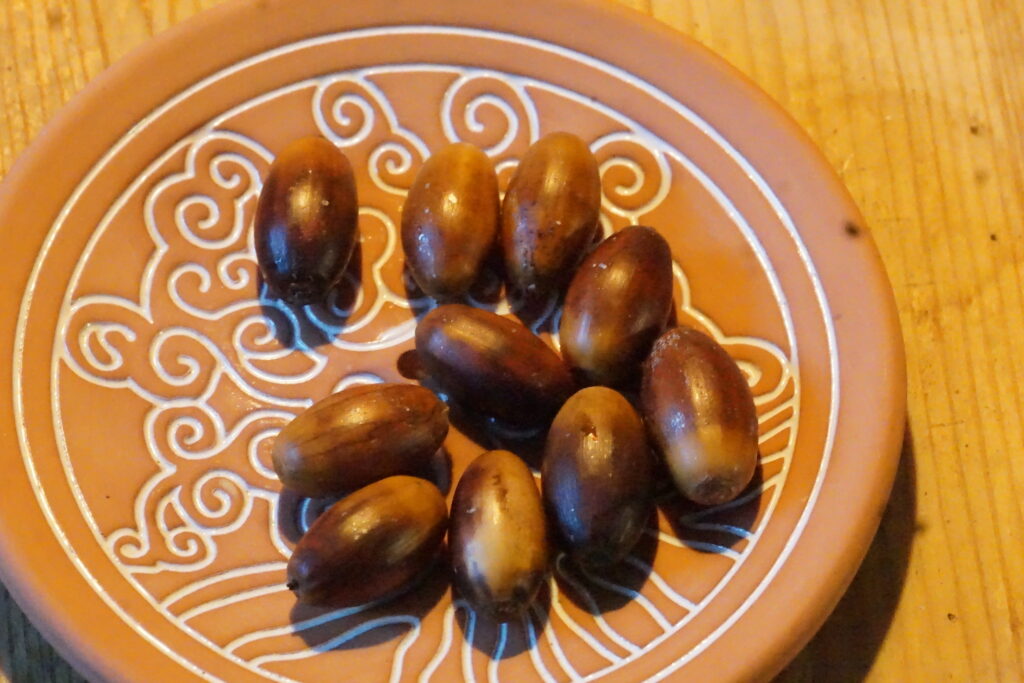
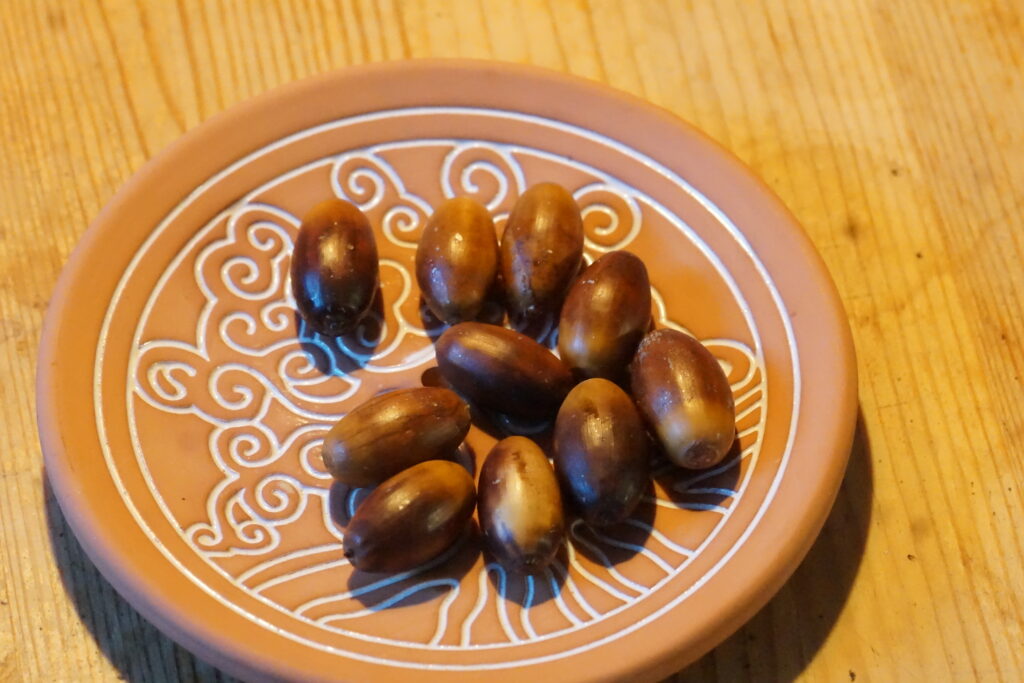
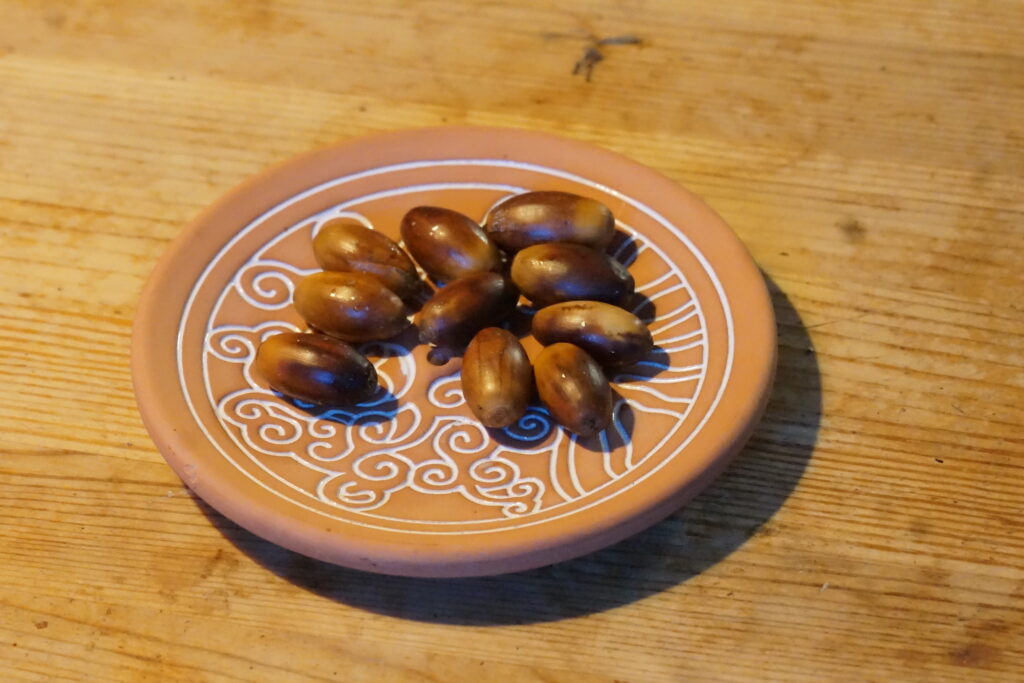
Quercus eduardi occurs in a small area in Mexico. It grows there at an altitude between 2200 and 2600 meters above sea level.
It grows only up to 9 meters. The acorns have a size of up to one centimeter.
The acorns can be purchased here in the store: https://quercus.guru/produkt/quercus-eduardi/